

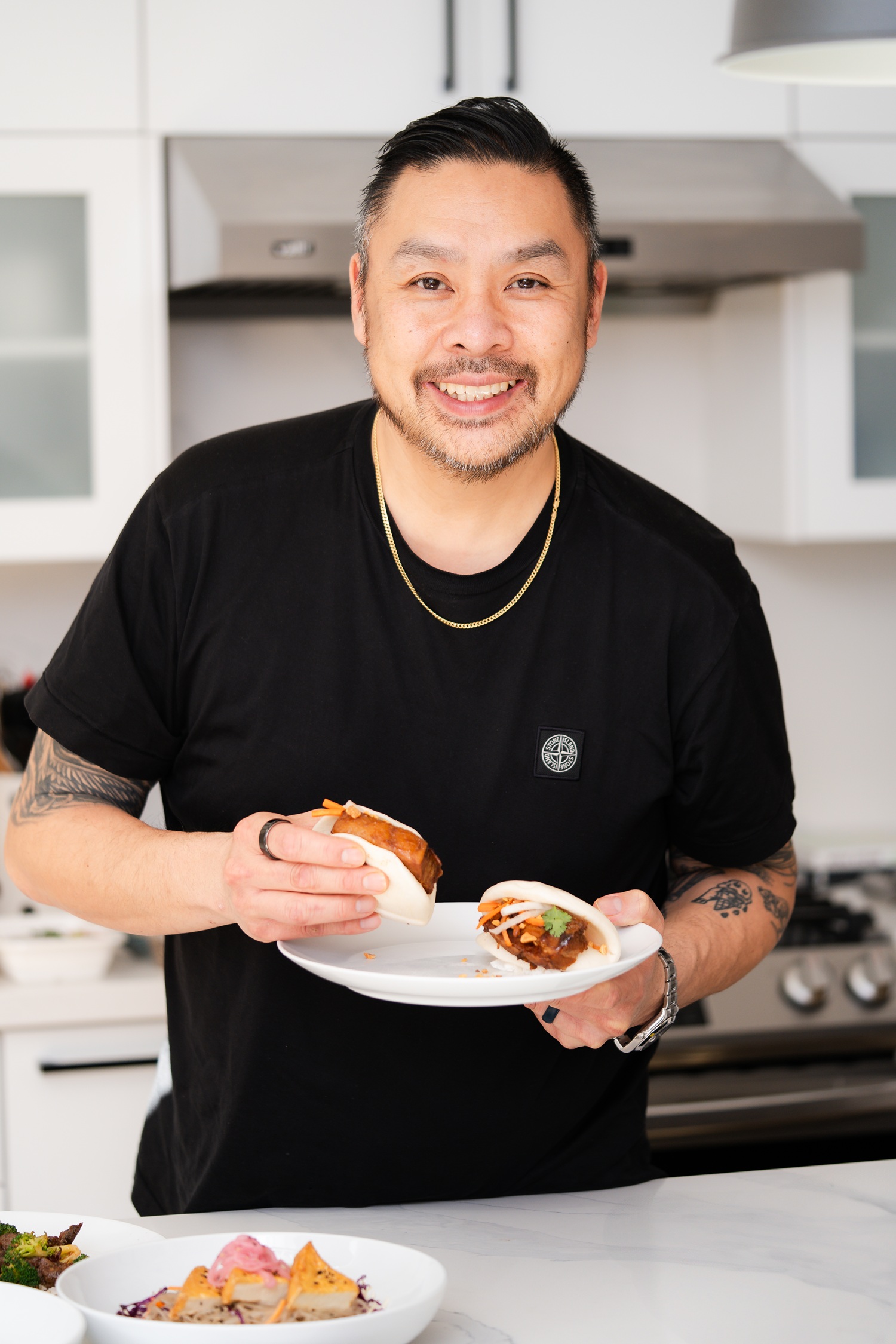
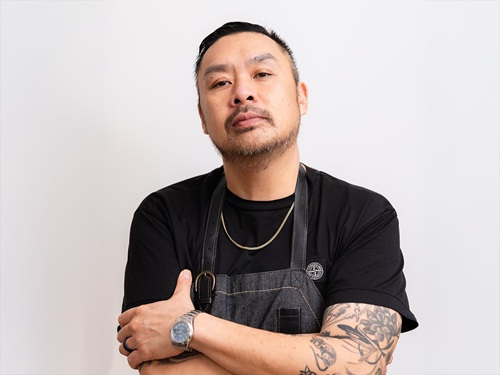
During Asian Heritage Month, few voices capture the intersection of culture, identity, and food as thoughtfully as Chef Trevor Lui. An award-winning chef, entrepreneur, author, and cultural storyteller, Trevor has built a career around celebrating Asian cuisine in ways that feel both deeply personal and unmistakably modern.
From standout CookUnity dishes like Poutine-Inspired Dumplings with Japanese Curry Sauce, Korean-Fried Cauliflower Bao Buns, and Mapo Tofu with Rice and Ground Pork, to his award-winning Double Happiness Cookbook, Trevor explores how traditional Asian flavours can evolve while still honouring heritage, memory, and community. His work reflects not only the diversity of Asian cuisine in Canada, but also the ways food can connect generations, cultures, and experiences.
Beyond the kitchen, Trevor’s impact on Canada’s hospitality industry continues to grow. As the founder of Highbell Hospitality and co-founder of Quell, a talent agency focused on advancing BIPOC leadership and DEI initiatives in hospitality, he has helped shape some of Toronto’s most talked-about culinary concepts, including Kanpai Snack Bar, Yatai Japanese Street Food, BaoBird, and FatBao.
A recipient of Restaurants Canada’s 2022 Social Advocate Award and named to the 2023 Power 60: Inspiring Asian Canadians of Influence, Trevor brings a thoughtful perspective to conversations around representation, entrepreneurship, and the evolving identity of Asian cuisine in Canada. Through his partnership with CookUnity, he’s also helping redefine how Canadians experience restaurant-quality meals at home – connecting people directly to the chefs and stories behind the food.
We recently spoke with Chef Trevor Lui to discuss the evolution of Asian cuisine in Canada, the role food plays in storytelling and identity, and how his work continues to push conversations around culture, representation, and community forward — both inside and outside the kitchen. From creating nostalgic dishes with a modern perspective to building hospitality brands rooted in inclusivity, Trevor shares the experiences and inspirations that continue to shape his culinary journey.
Asian Heritage Month often sparks conversations around identity and representation. How has your own cultural background shaped the way you approach food, storytelling, and hospitality?
As a first generation Canadian, I get to share inspired experiences that shaped my personal life from a lens of adapting western culture with the best of authentically Chinese practices.
Your dishes for CookUnity blend Asian flavours with distinctly Canadian influences. Why is that intersection between culture and identity so important to you as a chef?
In my opinion, understanding what contributes to our DNA and being able to share those stories through food is an important obligation as a chef.
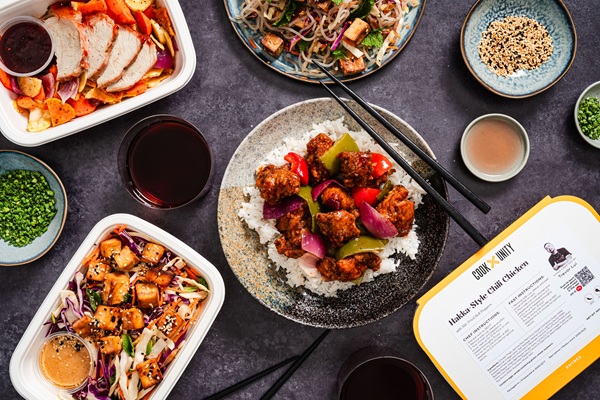
Food can be deeply nostalgic. Were there any specific memories, family traditions, or experiences that inspired dishes like the Poutine-Inspired Dumplings or Ginger Beef Chow Mein?
I call our Poutine Dumplings the consummate and perfect immigrant dish. It’s an ode to something classically Canadian but composed with pantry ingredients that I grew up with in our kitchen. So by assembling our take on a classic dish, we used mostly Asian ingredients to tell that story.
If someone unfamiliar with your cooking could only try one dish to understand your approach to food and culture, what would you choose and why?
I believe a dumpling transcends borders as it’s a dish that spans so many different cultures. Almost every culture has some form of a dumpling and in Chinese culture, both the symbolic and cultural importance of a basic dumpling has such tremendous meaning; and as you go from region to region and family to family, these traditions change, evolve and provide different stories as they hit your plate.
You’ve spoken openly about the importance of representation within the culinary industry. What progress have you seen for Asian chefs and restaurateurs in Canada, and where do you still think change is needed?
The biggest gap I see is to start to peel away the designation of being labelled as “Asian” chefs. The breadth of talent out there that spans technique and styles beyond our own cultural up-bringing should merit more attention and recognition.
Convenience and elevated dining don’t always go hand in hand, but CookUnity is trying to change that. What excites you most about making chef-driven meals more accessible to Canadians at home?
I believe it’s going to shape how people will come to expect to eat as traditional dining evolves and people seek both value and access to elevated experiences. The CookUnity platform provides people the opportunity to shift personal dining habits without sacrificing both value
and quality.
Beyond being a chef, you’re also an entrepreneur, author, and advocate. What do you hope people ultimately take away from your work, both inside and outside the kitchen?
That storytelling and doing our best to make space for the community is just as important as the food itself.