


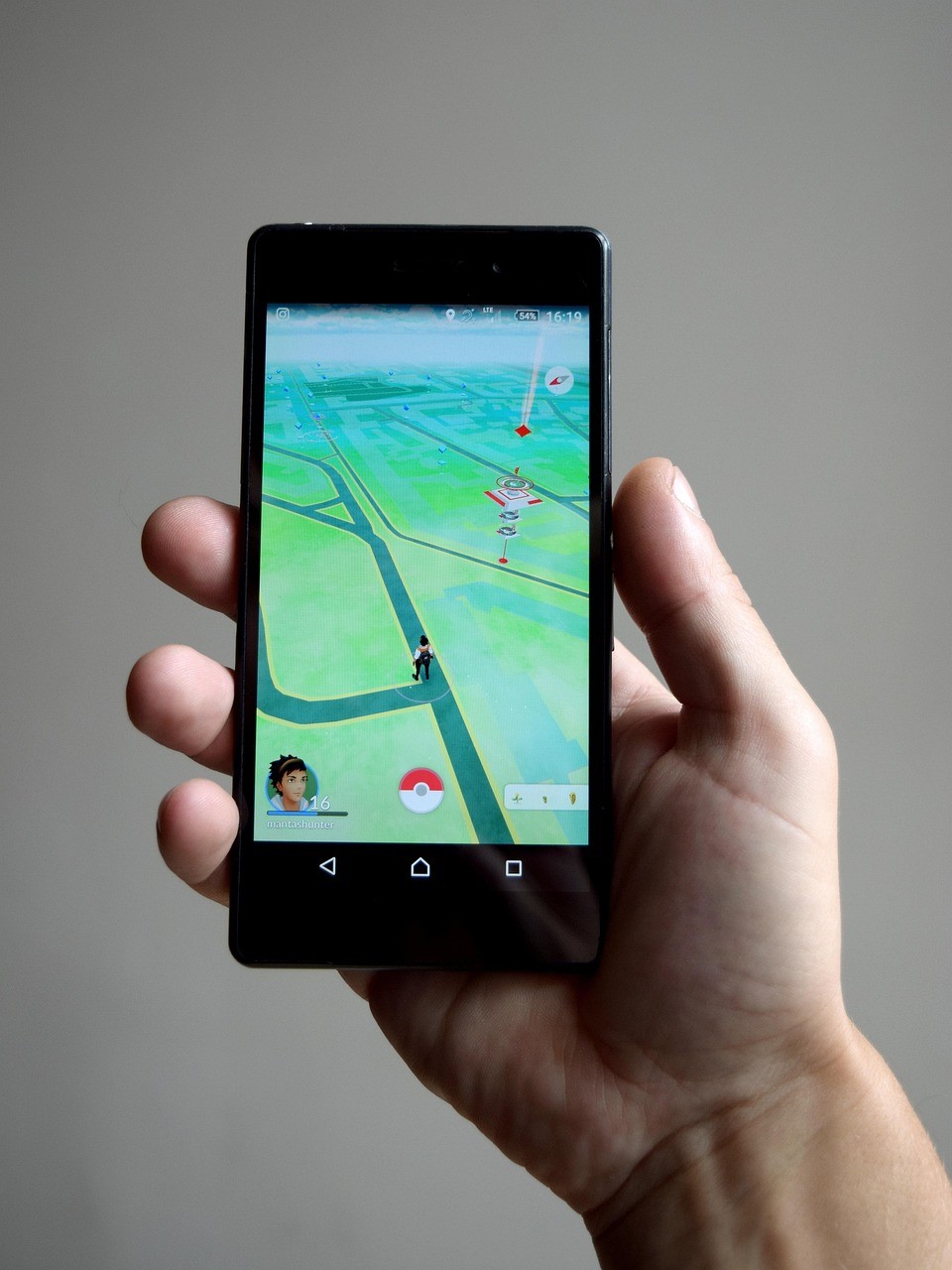
Have you ever found yourself checking a language learning app just to keep a “streak” alive, or walking an extra block to close the rings on your smartwatch? If so, you have experienced the subtle but powerful pull of gamification.
This isn’t just about playing games; it is about the integration of game-like mechanics, points, badges, leaderboards, and rewards into everyday non-game environments. From fitness tracking to personal finance, digital platforms are increasingly borrowing strategies from the gaming world to keep us engaged, motivated, and coming back for more.
The Psychology Behind Progress Bars And Achievement Badges
Gamification works because it speaks directly to the human brain’s reward system. When you complete a task and see a progress bar fill up or receive a digital trophy, your brain releases dopamine, the neurotransmitter associated with pleasure and motivation. This is the same chemical reaction that occurs when we achieve a goal in the physical world.
By digitizing this feedback loop, apps can create a sense of mastery and competence that is deeply satisfying. It turns the abstract concept of “saving money” or “learning a new skill” into real, visual progress.
These mechanics leverage our innate desire for status and social connection. Leaderboards and public achievement badges tap into social proof and healthy competition. When we see friends reaching milestones, we are naturally inclined to want to match or exceed their efforts. This social aspect transforms solitary activities into communal experiences.
Comparing Loyalty Rewards Across Industries
The strategies used to attract and retain users vary wildly across different sectors, yet they all share a common DNA rooted in competitive incentives. In the highly competitive world of online entertainment, the initial “hook” is crucial.
For example, Gambling Insider says the diversity of casino bonuses, from free spins to deposit matches, sets a high standard for how online casino platforms attract new users and retain existing users. This approach to user acquisition has influenced other industries to rethink their own welcome offers.
Similar tactics are reflected in lifestyle and financial apps. An online bank might offer a cash bonus for setting up a direct deposit, or a food delivery service might provide a month of free delivery for new sign-ups. These are essentially the “welcome bonuses” of the lifestyle world.
However, the real magic happens in retention. While the initial perk gets the user through the door, the long-term gamification keeps them there. Research indicates that businesses implementing these gamified loyalty programs often see a 22% increase in customer retention, proving that the promise of future rewards is just as powerful as the immediate gratification of a sign-up bonus.
The difference often lies in the complexity of the reward structure. While a streaming service might offer a simple free trial, retail apps have mastered the art of “variable rewards.” This involves offering unpredictable incentives, like a mystery discount or a surprise gift, which psychology suggests is more addictive than predictable rewards.
By keeping the user guessing about what they might earn next, brands maintain a high level of excitement and engagement. This shift from transactional loyalty to emotional loyalty is redefining the relationship between Canadian consumers and their favourite digital services.
Transformation Of Interactive Features In Streaming And Apps
The application of these mechanics has grown significantly from the early days of simple point collection. Streaming and digital media platforms are moving away from passive viewing toward active participation.
There is an increase in interactive storytelling where viewers make choices that influence the plot, effectively turning a standard series into a personalized journey. This evolution keeps audiences engaged for longer periods, as the experience demands attention and cognitive involvement rather than just passive consumption.
In the retail and lifestyle sectors, apps have transformed shopping from a transaction into a tiered journey of status. Loyalty programs are no longer just about discounts; they are complex ecosystems where customers “level up” to unlock exclusive perks, early access to products, or VIP customer service.
This creates a narrative where the customer is the protagonist, climbing the ranks through their engagement. The shopping experience becomes a game of strategy, where consumers actively plan purchases to maximise their standing within the brand’s ecosystem.
Mobile technology has been the main driver of this change, allowing these interactive loops to exist in our pockets. The integration of haptic feedback, vibrations and sounds when a task is completed, adds a sensory layer to the experience, making digital actions feel physical. Whether it is the satisfying “ding” of a completed transaction or the visual confetti on a screen, these micro-interactions are carefully designed to delight users and reinforce positive behaviour, turning mundane administrative tasks into small moments of joy.
Predicting The Next Surge Of Immersive User Experiences
The integration of Artificial Intelligence (AI) promises to make gamification even more personalized and effective. The next generation of apps will not just offer generic badges; they will use AI to analyse individual user habits and tailor challenges specifically to their capabilities and interests.
Imagine a fitness app that knows you had a sleepless night and adjusts your daily goal to be more achievable, rewarding you for “recovery” rather than intensity. This level of personalization will make digital environments feel less like rigid systems and more like responsive partners in our daily lives.
The economic impact of this change is undeniable. The industry is on a trajectory of massive expansion, with the global gamification market expected to reach USD 62.29 billion by 2032. This growth suggests that we are only scratching the surface of how deep these mechanics will run.
We can expect to see gamification expanding into non-traditional areas such as healthcare compliance, employee training, and even civic engagement, where citizens might be rewarded for community participation or sustainable behaviours.
The future of digital entertainment and lifestyle apps lies in integration. The most successful platforms will be those where the “game” doesn’t feel like a game at all, but rather a natural, rewarding extension of the user’s life.