


Medically reviewed by Bertine Ruchama Moise Davilmar and Jackenson Davilmar
The information provided in this article does not replace your relationship with your personal family physician. It should be used as a general guide only, and not as the ultimate source of information on menopause or any of the conditions discussed herein.
Every woman’s experience with either natural or surgical menopause is an individual event. It will happen without exception, with age, or immediately following a hysterectomy and bilateral oophorectomy (surgical removal of both ovaries) surgical procedure.
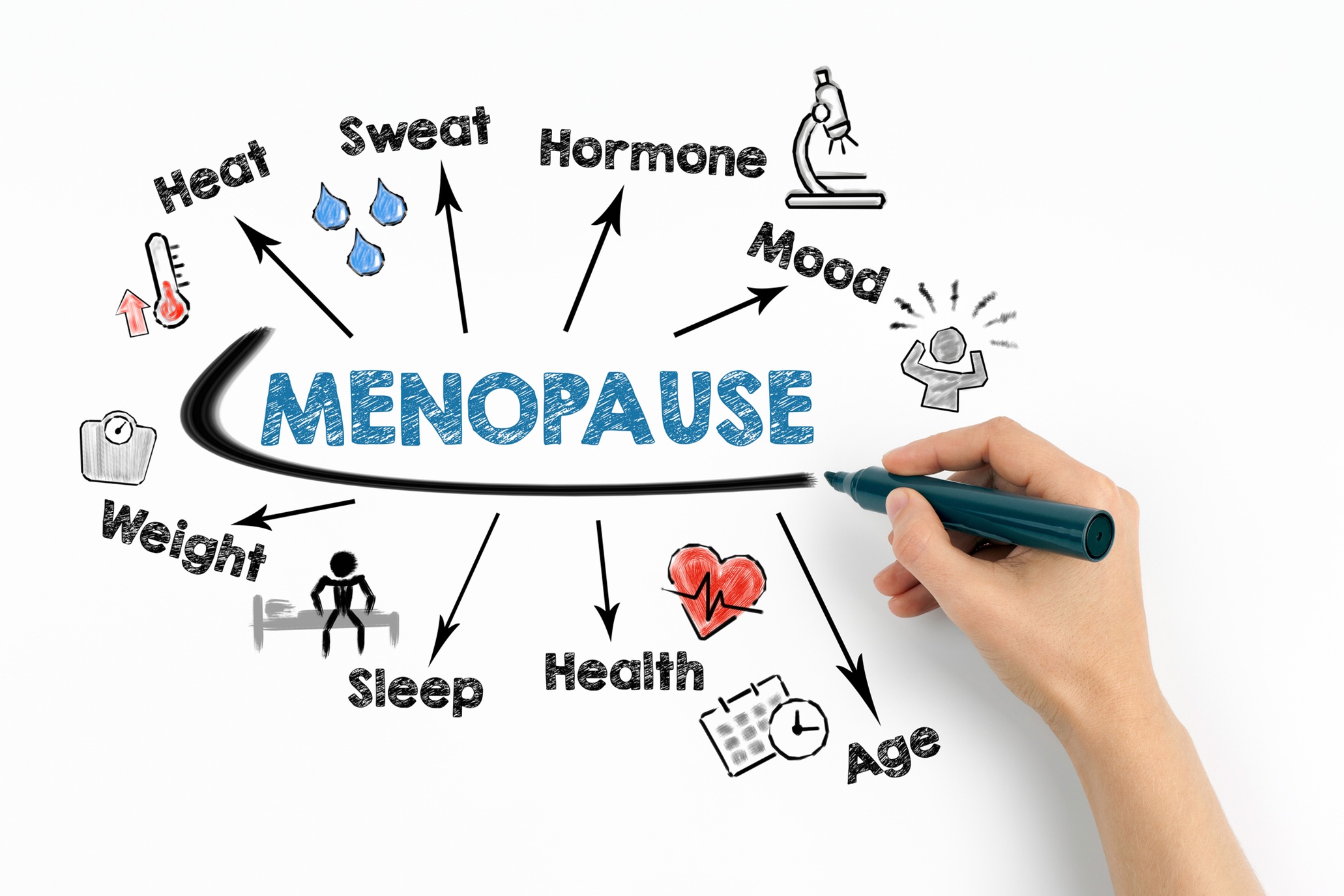
Whether menopause begins naturally or surgically, the more common symptoms include hot flashes, night sweats, vaginal dryness, mood changes, sleep disturbances and brain fog. These discomforts are a consequence of the decline of hormone production by the organs and glands within and outside the endocrine system.
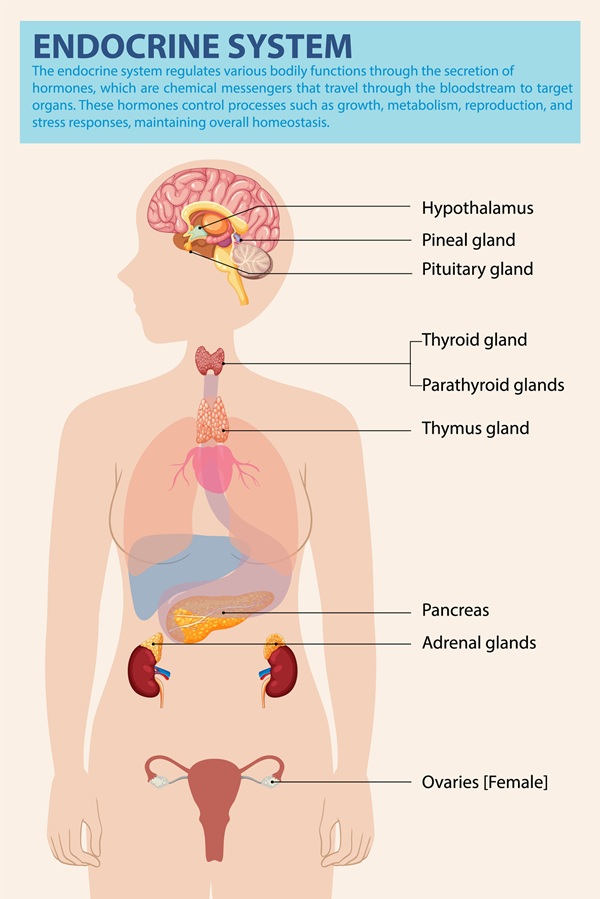
The most important hormone-producing endocrine glands are the pituitary, thyroid, parathyroid, pineal, thymus and adrenal glands, and whereas tissues such as the heart, kidneys, gastrointestinal tract and body fat (adipose tissue) are outside the primary endocrine system, they also release hormone-like substances into the bloodstream, but only as part of their secondary functions. All of these organs and tissues, however, ensure good metabolism and stress response.
I believe that some women can cope with menopausal symptoms better than others. Among the senior women I have talked to about their experience, most admitted that they found their symptoms rather challenging. This group may well have been further burdened by their experience because it happened years ago, when women didn’t talk amongst themselves about menopause and any possibilities for relief. Certainly not as much as they do today. Others claimed they were too busy with familial obligations, work and home life to allow any symptoms to interfere with their daily activities, and a small group of women shared that they sailed through menopause without any symptoms at all. We should all be so lucky!
Imagine, though, how much more taxing menopause can be for women with pre-existing conditions that may not be as conducive to achieving hormonal balance during the menopausal years. But, however debilitating these conditions might be, current research and new studies suggest that healing nutrition and gentle exercise might be helpful in surprising ways.
I often hear people say that we are a generation of convenience. This is probably true for many among us, but despite that trend, scores of others believe that life-shortening diseases don’t have to be a normal part of aging, especially at menopause, and that food can, in fact, play an essential role in our well-being.
Anxiety
I can say with certainty that anxiety and the more violent symptoms of surgical menopause are not a good mix. After the surgery that precipitated my experience with menopause, I could flush three or four times per hour. The surges of heat from the flushes and the relentless night sweats were accompanied by an increased heart rate that resulted in greater anxiety. Needless to say, the lack of restful sleep at night often left me feeling fatigued, moody and unable to focus the next day.
My solution was to transition to a whole-foods/plant-based diet to help reduce anxiety while minimizing the effects of the many symptoms of surgical menopause that I found difficult to manage. Although it took years to learn all that I needed to know about food for optimal results, I didn’t give up, and I have persisted with an eating plan that includes some salmon and the more consistent intake of walnuts, chia seeds and flaxseeds. All are rich in Omega-3 fatty acids to help reduce inflammation and improve brain function. For antioxidant-rich foods, blueberries, dark chocolate, spinach, kale and all types of beans remain my best go-to home remedies to combat anxiety-related stress.
Cardiovascular disease
Cardiovascular disease is the leading cause of premature death in women according to several Canadian health organizations and research institutions such as the Heart and Stroke Foundation of Canada, the Canadian Women’s Heart Health Centre (CWHHC), based at the University of Ottawa, and the Canadian Women’s Heart Health Alliance (CWHHA). The risk associated with this disease is increased after menopause, and for that reason alone, women are encouraged to do all that they can to protect their heart during and after that stage of life.
‘For a long time, scientists thought the drop in estrogen levels during menopause explained the increased cardiovascular risk. If you replaced that estrogen, they reasoned, you could restore its protective benefits. But, giving older women hormone replacement therapy produced mixed results. In some cases, it reduced their risk of heart attack. In other cases, though, it didn’t produce benefits.’
Glenn Pyle, M.D. – Molecular cardiology researcher at the University of Guelph
The Canadian Cardiovascular Society recommends the Portfolio Diet, which includes a ‘portfolio’ of plant foods. It is essentially an evidence-based way of eating to lower cholesterol and the risk of heart disease. Instead of focusing on what you can’t eat, this Society suggests exploring all the healthy plant foods you CAN add to your ‘portfolio’ menu! It also claims that this diet is not about making huge changes right away, it’s more about introducing one new component to your diet on a regular basis, and then building from there.
Cognitive issues
These issues are defined as memory lapses, poor concentration and word-finding difficulties, and they can range from mild impairments to severe dementia. ‘Brain fog’ is a term used to define the collection of these symptoms, and for many, it becomes more evident with age. A variety of causes can be attributed to this non-medical condition, including high stress, poor sleep, nutrient deficiencies and hormonal changes.
‘There’s clearly a lot more we need to understand about how different estrogens can support the brain health of older women. To truly personalize care, we need a better sense of when, how, and for whom it is optimal to use hormones to support memory.’
Centre for Addiction and Mental Health (CAMH) – Canada’s largest mental health teaching hospital affiliated with the University of Toronto
If women are suffering from mild cognitive impairments, like brain fog prior to menopause, or as a symptom of fibromyalgia, one of the highly recommended eating patterns is the Mediterranean diet. Brain-boosting foods like salmon, sardines and trout are essential to reduce inflammation and optimize brain cell health.
Diabetes
When the body does not produce enough insulin, it can lead to the chronic condition of diabetes, which is a growing health issue in our country. According to Statistics Canada and Health Canada, 3.7 to 3.9 million Canadians (aged 1+) live with diagnosed diabetes, with 549 new cases diagnosed daily.
There are two types of diabetes: Type 1 and Type 2. Type 1 is an autoimmune disorder that destroys beta cells in the pancreas, and with this condition, the body produces little to no insulin. Insulin therapy is non-optional with Type 1 diabetes, and it is required to manage blood sugar levels and avoid life-threatening events. Some of the symptoms are increased thirst and urination, hunger, weight changes, fatigue and blurred vision, and they can appear early in young children or teenagers.
Type 2 diabetes is more common in adults, and although the symptoms are the same as for Type 1 diabetes, they usually develop slowly over many years. While men are more likely to have diabetes, women are at greater risk of diabetes-related mortality, and the risk of obesity is also greater for diabetic women.
Brain fog is another common diabetes-related symptom. Characterized by difficulties with concentration, mental fatigue, memory lapses and decreased cognitive speed, it is often reversible once blood sugar levels are stabilized through better sleep habits.
For women who suffer from Type 2 diabetes at menopause, a meal plan that includes flaxseeds, calcium-fortified cereals, healthy fats, foods high in fiber and vegetable-based dishes can help restore hormonal balance and healthy blood sugar levels.
Diabetes Canada provides a variety of excellent 7-day meal plans on their website, including the vegan, vegetarian, the gestational diabetes plan, the Mediterranean and a healthy Chinese meal plan. But more importantly, Diabetes Canada strongly recommends that sufferers of Type 1 and Type 2 diabetes consult a certified diabetes educator or a registered dietitian before making any significant changes to improve diet and lifestyle.
Endometriosis
Endometriosis is not as easy as measles or a broken leg to treat. It is a systemic disease, and it may be an autoimmune disorder. We have to correct the cause of the disease, but we are unsure how it originates, so our only defense against it must be by attempting to regain our health through a healthy diet, rest and gentle exercise. Women need to listen to the messages their body gives them. Illness is an imbalance and good nutrition can help redress the imbalance.
Excerpt from the book Endometriosis: A Key to Healing Through Nutrition By Dian Shepperson Mills and Michael Walter Vernon
This excerpt is from a book published in 1999, yet the exact cause of endometriosis remains unknown to this day. A group of researchers at The Ottawa Hospital are still working at determining the origins of this disease.
One of the leading theories for the cause of endometriosis is a faulty immune system whereby it fails to recognize and destroy endometrial tissue, allowing it to grow outside the uterus. Endometriosis can affect the ovaries, fallopian tubes, bowels and the pelvic region behind the uterus, and the pain associated with these growths can be excruciating.
On the Canadian website CARE (Centre for Assisted Reproductive Endocrinology), it mentions that treatment for endometriosis includes over-the-counter or prescription medications for pain relief. Surgery is another option. It can be performed through the minimally invasive laparoscopic procedure for the removal of endometrial growth, and hysterectomy may be considered, but only as a last resort, and in extreme cases to alleviate severe pain.
For women who continue to suffer from this disorder at menopause, the most effective diet to achieve hormonal balance and relief from additional symptoms, is one that focuses on reducing inflammation by limiting the intake of red meat, processed foods, gluten and alcohol while adding more cruciferous vegetables, fruits, healthy fats and whole grains.
Healing nutrition to manage endometriosis at menopause would help sufferers avoid surgery if cancer is not an indication.
Fibromyalgia
Fibromyalgia can significantly impact a woman’s daily life. It’s a long-lasting and persistent disorder that is difficult to eradicate. Its symptoms mimic some of those associated with menopause. In particular: muscle and joint pain, fatigue, sleep disturbances and brain fog.
According to Fibromyalgia Association Canada, women who suffer from this disorder can be confused by conflicting recommendations about diet for the relief of symptoms. This organization claims that diets for fibromyalgia can vary considerably, and that no one diet will work well for everyone. But it also states that an anti-inflammatory diet can yield numerous health benefits, and that tracking reactions to foods after each meal can help identify triggers that can cause a flare-up in symptoms.
The additional benefit from experimenting with an anti-inflammatory plant-based diet to reduce the intake of highly processed foods, is that it can also provide some relief from menopausal symptoms. Any diet high in antioxidant content, or a non-dairy and gluten-free plan to avoid gastrointestinal issues could be helpful.
Skin allergies
Skin allergies can occur when the immune system overreacts to irritants such as fragrances, soaps, detergents, some foods, preservatives and hair dyes, to list a few. Reactions materialize in the form of rashes, blisters, itchiness, and in some cases, swelling.
With the decline of estrogen and progesterone production during perimenopause and menopause, the skin barrier can be weakened and cause greater sensitivity to allergens. Changes in hormone production can also result in more serious inflammatory skin conditions such as eczema, psoriasis and dermatitis.
Even though steroidal creams may provide some relief from itchiness, they are not recommended for prolonged use that could result in harmful effects to the skin. Naturally, mild cleansers and moisturizers can help prevent dryness, but an anti-inflammatory diet can strengthen the skin barrier, and significantly reduce the severity of skin flare-ups.
For menopausal skin, Omega-3 fatty acids are essential for skin hydration and the easing of inflammation. Fatty fish, flaxseed, chia seeds, walnuts, and foods rich in antioxidants, like colourful fruits and vegetables that include dark leafy greens, can help prevent premature skin aging. Adding healthy fats, like avocados, olive oil and nuts, will ensure greater skin elasticity and barrier function.
Thyroid issues
I had a friend who experienced hyperparathyroidism before menopause. When her overactive thyroid started to release hormones in an excessive amount, her metabolism shifted into high gear, resulting in drastic weight loss. She was happy about the weight loss at first, but not the anxiety that followed over how she could make it stop.
In my case, an underactive thyroid led to symptoms of fatigue, weight gain, sensitivity to cold, dry skin and digestive issues. My experience with hypothyroidism began soon after surgical menopause.
So essentially, hyperparathyroidism will speed up metabolism whereas hypothyroidism will slow it down, and trying to manage either condition is a balancing act. But doable.
Both conditions will respond well to a nutrient-dense, anti-inflammatory and whole foods meal plan, and the Mediterranean and Paleo diets top the list.
For new ideas to experiment with a healthy menu, Eatingwell.com is a great place to go. To learn more, follow this link.

Healthy nutrition can be the solution
What I found interesting about the conditions discussed in this article is that there were food solutions for each one, regardless of their pre- or post-menopausal timing.
Most conditions will respond positively to regular exercise and healthy nutrition, and eating well doesn’t have to be complicated. It just takes a willingness to learn new things and a bit of research and practice.
What’s more, the benefits from mindful and informed food choices can only result in more joy and fewer discomforts throughout menopause and beyond.
Lise Cloutier-Steele is an Ottawa writer, the author of Misinformed Consent: Women’s Stories about Unnecessary Hysterectomy, available from www.amazon.com (U.S. edition only), and the 2025 Edition of There’s No Place Like Home: A guide to help caregivers manage the long-term care experience, available from www.ottawacaregiver.com.