


We spend a lot of time thinking about our physical health, from getting enough exercise to taking care of our skin and scheduling regular medical checkups. But when was the last time you thought about your hearing?
Hearing loss often happens gradually. You might find yourself turning up the television, asking people to repeat themselves or struggling to follow conversations in a busy restaurant. These changes can be easy to dismiss, especially when they happen over time.
According to Statistics Canada*, nearly one in five Canadians report hearing difficulties. Hearing loss can affect much more than our ability to hear. It can also influence how we communicate, socialize and connect with the people around us. Research has also identified an association between hearing loss and an increased risk of cognitive decline and dementia, although this does not mean hearing loss directly causes dementia.
The good news is that technology is making it easier to monitor hearing health, recognize potential problems and find support. At the same time, there are simple steps we can take every day to help protect our hearing.
How Technology Is Changing Hearing Health
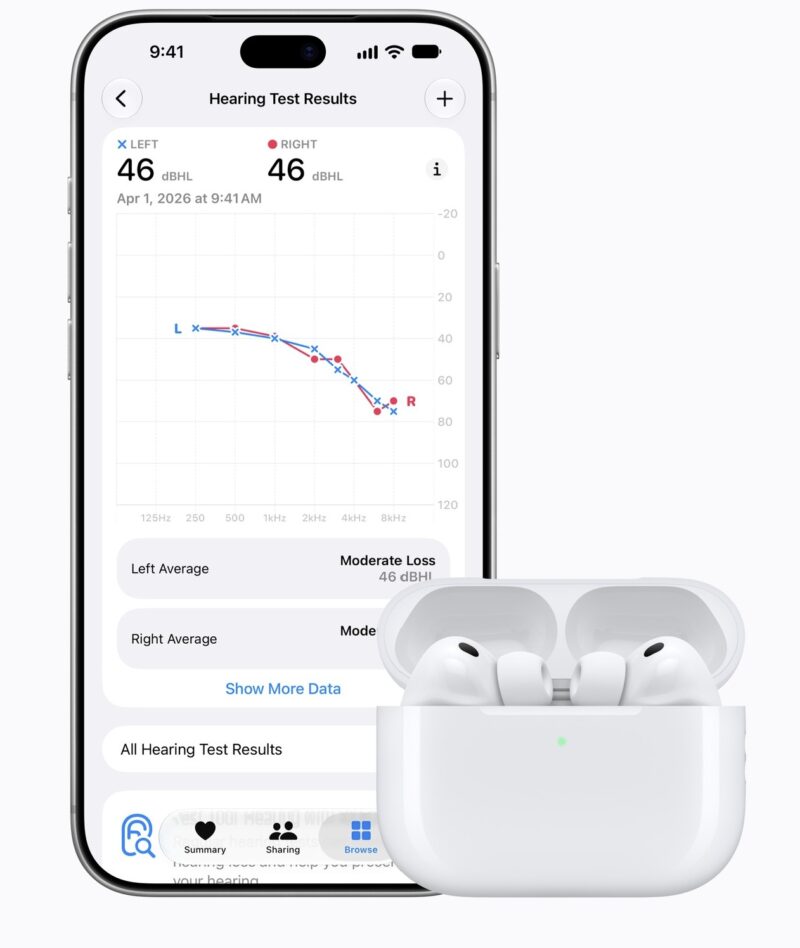
For many people, getting their hearing checked means making an appointment with an audiologist. Professional hearing assessments remain important, but newer technology is making it easier to take an initial look at your hearing from home.
Apple, for example, has introduced hearing health features on its AirPods Pro that allow users to check their hearing, monitor exposure to loud sounds and, in certain Canadian provinces**, use their earbuds as hearing aids for mild to moderate hearing loss.
Check Your Hearing at Home with AirPods Pro
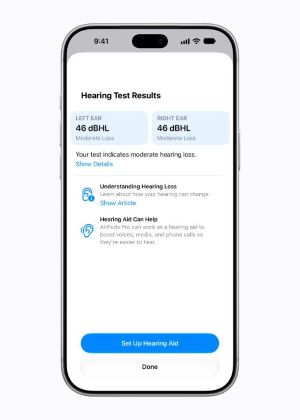
One of the most interesting developments is Apple’s Hearing Test feature, available on AirPods Pro 2 and AirPods Pro 3.***
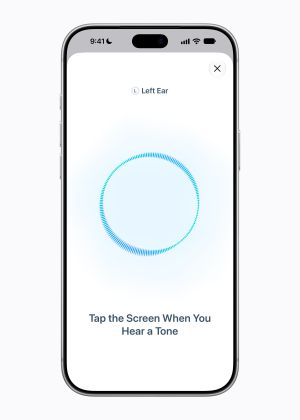
The scientifically validated test**** uses an approach based on pure-tone audiometry, a method commonly used by hearing professionals. With compatible AirPods Pro and an iPhone or iPad, adults can complete the test in approximately five minutes.
During the test, users listen for a series of tones at different frequencies and volumes, indicating when they hear each sound.
Once completed, the results provide information about hearing levels in each ear, along with a classification and recommendations. An audiogram is also saved in Apple’s Health app, where users can review their results or share them with a healthcare professional.
The Hearing Test feature is available across Canada, making it a convenient starting point for adults who are curious about their hearing health.
DIVINE Tip: Consider checking your hearing even if you haven’t noticed any obvious problems, particularly if you regularly spend time in noisy environments. An at-home test can be a useful first step, but it isn’t a substitute for a professional assessment, especially if you have symptoms or concerns.
Can AirPods Really Work as Hearing Aids?
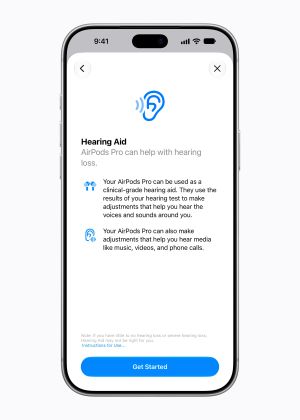
For people experiencing mild to moderate hearing loss, Apple’s Hearing Aid feature offers another option.
Using a personalized hearing profile, compatible AirPods Pro can make real-time adjustments to amplify certain sounds, helping users hear conversations and environmental sounds more clearly.
The hearing profile can also be applied to music, movies and phone calls.
In Canada, the Hearing Aid feature is currently available in Alberta, British Columbia, New Brunswick, Prince Edward Island and Saskatchewan, where over-the-counter hearing aid distribution is permitted.
Apple is working toward expanding availability across the country.
It’s important to understand that this feature isn’t intended for everyone. People with significant hearing loss or ongoing hearing difficulties should seek guidance from a licensed hearing healthcare professional.
Making Conversations Easier to Hear
Anyone who has struggled to follow a conversation in a noisy restaurant knows how frustrating background noise can be.
Apple’s Conversation Boost feature helps address this challenge by focusing the AirPods’ microphones on the person speaking directly in front of the user.
This can make face-to-face conversations easier to follow in environments where multiple people are talking.
Apple also offers accessibility features such as Live Listen, which uses an iPhone’s microphone to transmit sound to compatible listening devices, and Live Captions, which can display real-time transcriptions of conversations and other audio.
These tools can make everyday communication more accessible, particularly for people who find certain listening environments challenging.
Protecting Your Hearing Before Problems Begin
While technology can help identify and manage hearing loss, prevention deserves just as much attention.
Exposure to loud noise is one of the most common preventable causes of hearing loss. The risk depends on both how loud a sound is and how long you’re exposed to it.
The challenge is that hearing damage isn’t always immediately noticeable. Repeated exposure to loud music, power tools, traffic or other noisy environments can gradually affect hearing.
Here are some practical ways to help protect your ears.
1. Turn Down the Volume
Whether you’re listening to music, podcasts or audiobooks, avoid keeping the volume unnecessarily high.
A useful habit is to listen at a comfortable level and take regular breaks, particularly during extended headphone use.
The World Health Organization recommends keeping personal audio listening levels below 60% of a device’s maximum volume as a general precaution, although actual safe listening levels depend on the device and listening environment.
DIVINE Tip: If you regularly increase the volume to drown out background noise, consider using well-fitting noise-cancelling headphones like the Air Pod Pro 2 instead. They may help you listen comfortably at a lower volume.
2. Pay Attention to Your Surroundings
Concerts, sporting events, festivals and even some fitness classes can expose us to potentially harmful noise levels.
Try to limit your time in these environments if possible.
DIVINE Tip: Keep a pair of musician’s earplugs handy for concerts or live events. They’re designed to reduce sound levels while maintaining better sound quality than many basic foam earplugs.
3. Use Your Smartwatch to Monitor Noise
You might be surprised by how loud some everyday environments can be.
If you have an Apple Watch, the Noise Notifications can measure environmental sound levels and notify you when noise may be loud enough to affect your hearing.
You can also review historical sound exposure information through the Health app on your iPhone.
This can be especially helpful if you regularly attend loud events, work in noisy spaces or simply want to understand your daily exposure.
DIVINE Tip: Pay attention to noise notifications rather than automatically dismissing them. They’re an opportunity to move somewhere quieter, reduce the volume or use appropriate hearing protection. Take a look at what sets it off. Everything from whistling stove-top kettles, blenders and even family get-togethers can trigger an alert.
4. Give Your Ears a Break
After spending time in a loud environment, try to give your ears some quiet time.
Reducing additional noise exposure can help limit further strain on your hearing.
If your ears are ringing or sounds seem muffled after a concert or event, don’t assume it’s harmless simply because the symptoms eventually disappear. These can be warning signs of excessive noise exposure.
5. Be Careful When Cleaning Your Ears
Cotton swabs may seem like an easy way to clean your ears, but inserting them into the ear canal can push wax farther inside or damage delicate structures.
In most cases, ears are self-cleaning.
If you suspect earwax buildup is affecting your hearing, speak with a healthcare professional about safe removal.
6. Don’t Ignore Changes in Your Hearing
Hearing loss isn’t always obvious.
Some early signs include:
- Frequently asking people to repeat themselves
- Having difficulty following conversations in noisy places
- Turning up the television or phone volume
- Feeling unusually tired after conversations because listening requires more concentration
- Experiencing persistent ringing or buzzing in the ears
If you notice changes, arrange a professional hearing assessment. Sudden hearing loss, particularly in one ear, requires urgent medical attention.
Why Hearing Health Is About More Than Sound
One of the less discussed consequences of hearing loss is how it can affect relationships and social connections.
When following conversations becomes difficult, people may begin avoiding restaurants, parties or other social situations. Over time, this can contribute to loneliness and isolation.
“Hearing loss can have a real impact on people’s everyday lives. I see patients who find conversations increasingly difficult or exhausting, and over time, that can lead them to pull back from social situations,” said Dr. Vincent Lin, Department of Otolaryngology–Head & Neck Surgery at Sunnybrook Health Sciences Centre.
“What’s encouraging about the hearing health features on AirPods Pro is that they give Canadians a more convenient way to check their hearing and take steps toward getting support. Making these tools available on a device people already use can help make hearing care more accessible and less intimidating.”
Andrea Bull, CEO of Wavefront Centre for Communication Accessibility, also emphasizes the importance of making hearing technology more approachable.
“Innovations that raise awareness of hearing health and normalize the use of hearing technology can help reduce stigma and empower more people to embrace communication supports.”
Make Hearing Health Part of Your Wellness Routine
We routinely check our eyesight, monitor our blood pressure and pay attention to changes in our physical health. Hearing deserves the same consideration.
Technology such as Apple’s Hearing Test, Hearing Aid and Hearing Protection features can help make hearing health more accessible, but these tools work best alongside healthy listening habits and professional care when needed.
Whether it’s turning down the volume, wearing earplugs at a concert, monitoring your daily noise exposure or scheduling a hearing assessment, small steps today can help protect your hearing for years to come.
After all, hearing well isn’t just about sound. It’s about staying connected to the conversations, experiences and people that matter most.