


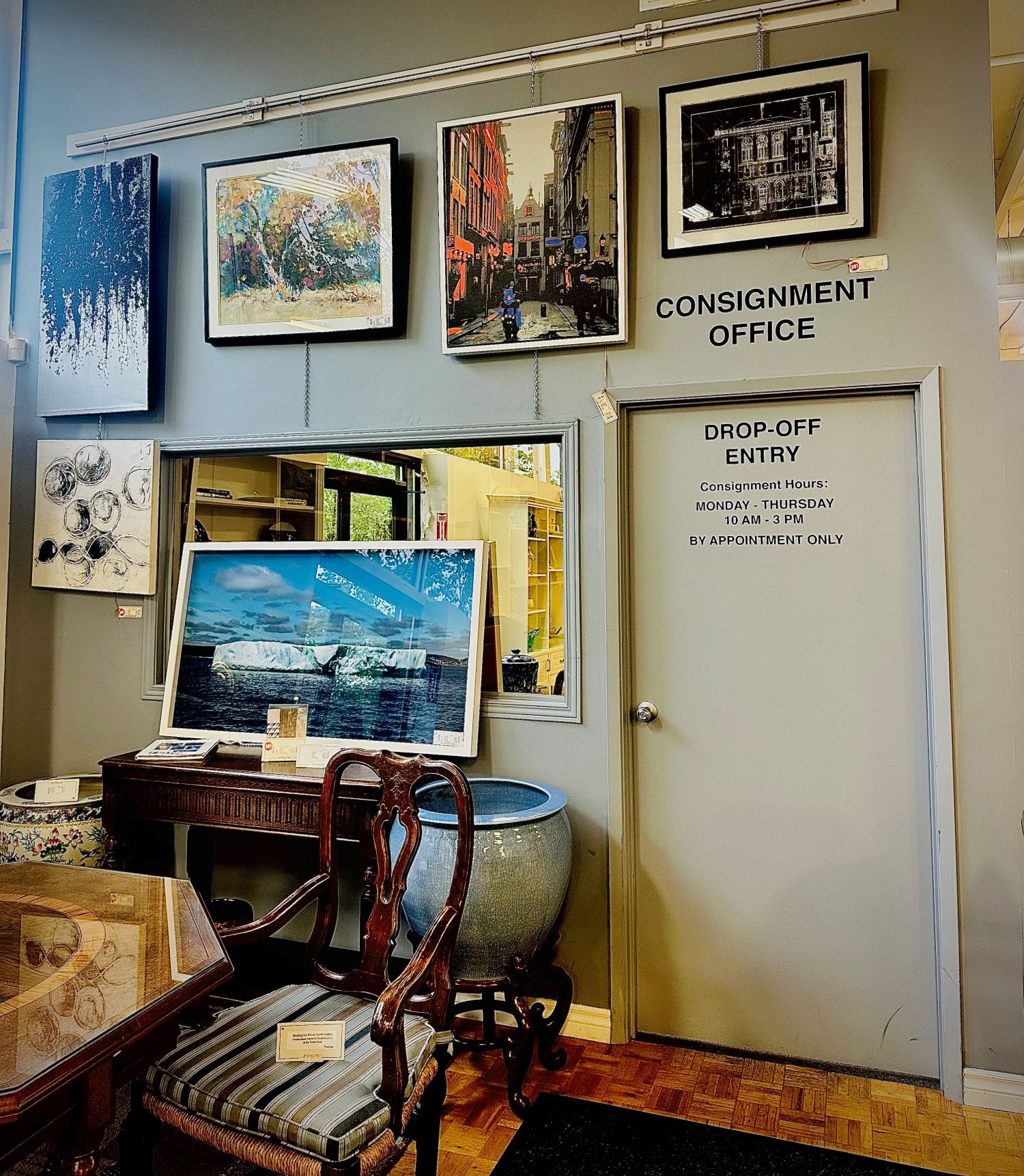
Homes evolve. We downsize, redecorate and inherit pieces that, while beautiful or valuable, don’t necessarily suit our spaces or match our taste. From dishes, silver and artwork to sofas and dining tables, there comes a point when many of us have quality pieces we simply no longer need.
Whatever the reason, getting rid of quality furniture and home décor can be surprisingly difficult. You don’t necessarily want to throw it away or donate something that may have significant value, but selling it yourself can mean photographing it, researching a price, creating listings and dealing with potential buyers. Consignment offers another option.
At Toronto’s …of Things Past, which has been in business for over 30 years, the consignment team receives approximately 100 emails a day from people interested in consigning items.
Before you start clearing out cupboards, however, it helps to understand what the store is looking for and how the process works.
Start With Photographs
Don’t load your dining table into a truck and arrive at the store hoping they’ll take it. The process starts with photographs. For furniture, potential consignors upload photos to ofthingspast.com. The consignment team reviews the submissions and determines which pieces it believes it can sell. If the furniture is accepted, the consignor receives a quoted price before deciding whether to proceed. That means both sides know what to expect before anyone starts moving furniture.
Furniture and Smaller Items Are Handled Differently
While furniture can be approved by email, smaller home décor items need to be inspected in person by appointment. They can include artwork, dishes, glassware, pottery and other decorative pieces. The team checks their condition, including looking for chips and scratches, before deciding what it can accept.
If furniture is accepted, an appointment is made for it to be delivered. …of Things Past does not have its own trucks and does not provide pickup, so the consignor is responsible for getting furniture to the store.
Don’t Assume Something Isn’t Valuable Because You Don’t Want It
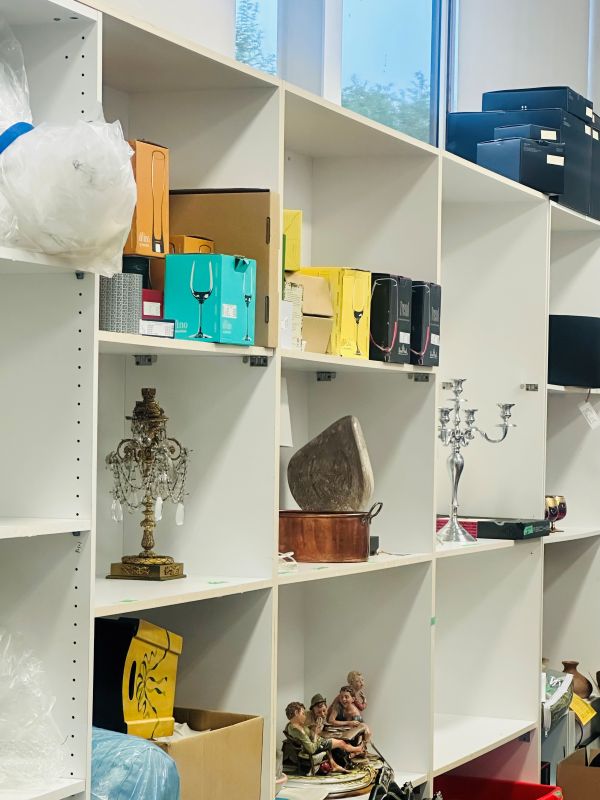
One person’s “What am I ever going to do with this?” can be somebody else’s find. According to General Manager Roma Maksymec, mid-century pieces and older artwork are popular, while people creating home bars are looking for decanters, Scotch glasses and other barware. Teacups have also experienced a resurgence. Even some of those things that have been sitting in family cupboards for years can have a market.
Silver plate and sterling silver are among the items the store carries. While some owners no longer want pieces that require special care or can’t go into the dishwasher, that doesn’t necessarily mean there isn’t another buyer for them.
You Don’t Necessarily Need the Original Box
This is particularly reassuring if you’re dealing with inherited items.
While provenance and documentation can matter, especially with art, the fact that you no longer have an item’s original packaging doesn’t automatically rule it out. For artwork, Maksymec says a certificate of authenticity can be helpful, but the consignment team also researches signed pieces to find whatever information is available. Dishes and signed pottery may also be researched to determine their value.
Original boxes and packaging aren’t common for many of the items brought in, and the store doesn’t require them in every case. So don’t automatically dismiss your grandmother’s figurine because nobody thought to save its box 40 years ago.
Condition Still Counts
That doesn’t mean everything is a candidate for consignment. Condition matters, particularly for smaller pieces, which are physically inspected for issues such as chips and scratches.
Size and practicality matter, too. The store generally avoids very tiny decorative items because they can get lost visually in its large space. While formal dinnerware was once more prominent, the store says it is now taking more everyday dishes, reflecting shoppers’ preference for things that fit contemporary lifestyles.
My advice is that before you take anything into …of Things Past, or try to sell anything on consignment, take a good look at it. If it’s chipped, cracked or damaged, don’t bring it in. …of Things Past only accepts items in near-perfect condition. Doing that once-over at home saves you from transporting items they’re unlikely to accept.
If you have certificates of authenticity or original boxes, bring them along. Finally, when transporting delicate china and crystal, research the best way to pack them for transit. Even if you’re only driving to the store, fragile pieces can break along the way.
Be Realistic About Pricing
This may be the most important part of consigning anything.
…of Things Past researches the current market when establishing prices and says it may price an item slightly lower to make it more attractive to buyers. The store operates on the following splits with the consignor:
- $5,001 and over: the consignor receives 60 per cent and …of Things Past receives 40 per cent of the final selling price.
- $51 to $5,000: the proceeds are split 50/50.
- $50 and under: the consignor receives 45 per cent and …of Things Past receives 55 per cent.
Items are consigned for six months, with the price dropping 10 per cent each month. If an item doesn’t sell within that time frame, the consignor can take the item back. If you do not pick it up, it may be sold or donated by …of Things Past.
Consider your goal as well. If you’re looking to declutter while recovering some of the value of things you no longer use, consignment can be a good option. If you need to sell something immediately, remember that consignment can be a waiting game.
Let the Experts Do the Research
You also don’t have to become an antiques expert before sending in a photograph.
The team conducts research when necessary. A signature on a painting or a piece of pottery, for example, can provide information that helps establish what the piece is and what it might be worth.
If you don’t know much about an item, that’s okay. Provide any information or documentation you do have and let the consignment team determine whether it’s something they can sell and what the current market may be for it.
What You Don’t Want May Still Have a Market
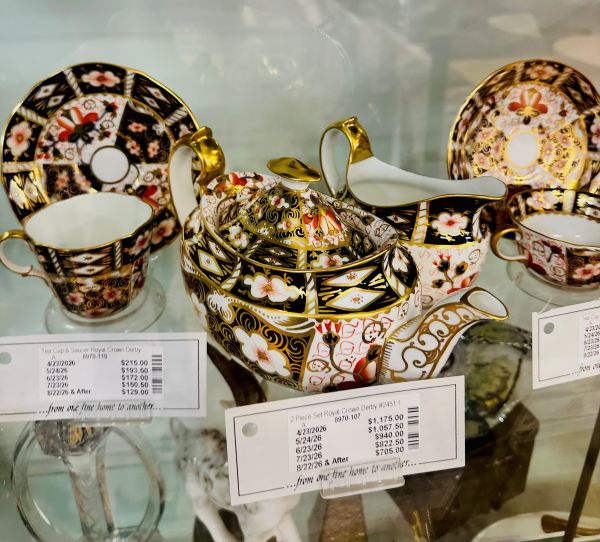
Perhaps the best consignment advice is also the simplest: don’t assume you know what people are buying.
Tastes change. Things that fell out of fashion can come back – teacups are a good example. Something that feels dated in one home may be exactly what someone else needs to make theirs feel distinctive. Before deciding that the contents of a cupboard, a piece of inherited art or the table that no longer fits your dining room has nowhere left to go, find out whether someone else might be looking for exactly that.
After all, being finished with something doesn’t necessarily mean it has reached the end of its useful life.
Follow …of Things Past on Instagram @ofthingspast