


Fashion moves quickly. A silhouette appears on the runway, lands on a celebrity’s arm, floods social media, and becomes indispensable almost overnight. Then the next season arrives.
The handbags that remain compelling tend to move at a different pace. Their appeal rests less on novelty than on proportion, craftsmanship, usefulness, and the pleasure of carrying something that feels distinctly one’s own. For Canadian shoppers deciding what truly deserves a place in their wardrobes, the question is no longer simply, “Is this the bag of the moment?” It is, “Will this still feel right when the moment has passed?”
That shift has brought renewed attention to authenticated designer resale, where past collections, discontinued colours, and carefully preserved pieces can be considered outside the pressure of a current launch. The result is a more personal approach to luxury, measured by relevance and longevity rather than visibility alone.
When the It Bag Loses Its Grip
For years, the It bag served as luxury fashion’s most effective shorthand. A runway debut, a major campaign, the right celebrity sighting, and a familiar pattern followed: scarcity generated attention, attention created desire, and desire became social currency.
That machinery still works. What has changed is the willingness of some shoppers to let it make the final decision.
A highly visible bag can be thrilling, but visibility does not guarantee compatibility. Once the excitement recedes, a sculptural mini bag may prove too small for daily life. An exaggerated silhouette can be difficult to style beyond the season that produced it. A colour that looked irresistible online may feel less convincing beside the clothes already in the wardrobe.
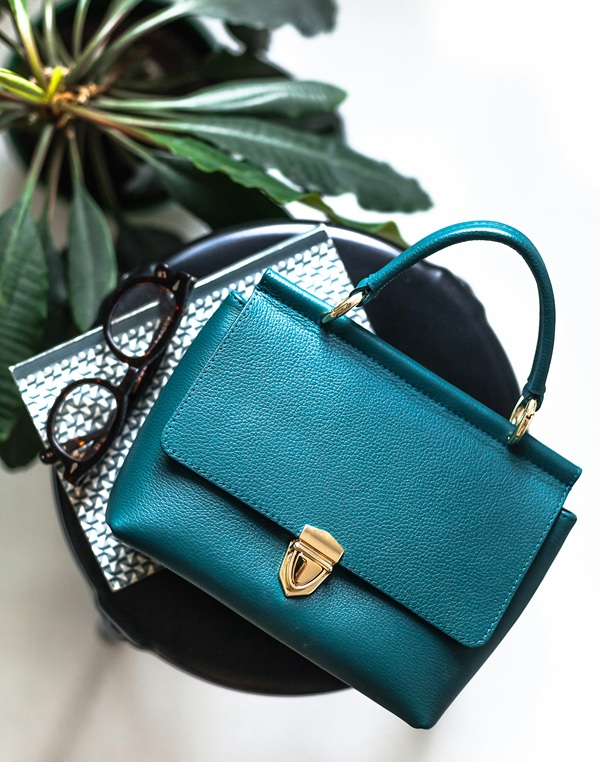
Canadian shoppers also face practical considerations that fashion imagery leaves outside the frame. A handbag may need to move from the office to dinner, tolerate frequent travel, or remain comfortable over a winter coat. A structured top-handle style with sensible proportions may ultimately offer more pleasure than the design dominating a month’s street-style photographs.
This is not a rejection of trends. It is a refusal to confuse recognition with relevance. Admiring a handbag is one thing. Building a life around carrying it is another.
The Quiet Architecture of a Timeless Handbag
Timelessness is often mistaken for restraint, as though an enduring handbag must be black, discreet, and almost anonymous. In practice, lasting appeal begins with balance.
A well-resolved design has deliberate proportions. Its width, height, and depth support the way it is meant to be used. Handles sit where the hand naturally reaches them. A closure feels secure without becoming fussy. The interior accommodates daily essentials without turning the bag into an exercise in excavation.
Construction reveals itself more slowly. Clean stitching, carefully finished edges, well-set hardware, and a stable structure matter most after the first impression has passed. Materials carry their own character. Grained calfskin tends to disguise everyday wear more readily. Lambskin offers softness and lustre but asks for greater care. Box calf holds a crisp shape beautifully, though its smooth surface can show scratches. There is no universally superior choice, only a better match for a particular owner and routine.
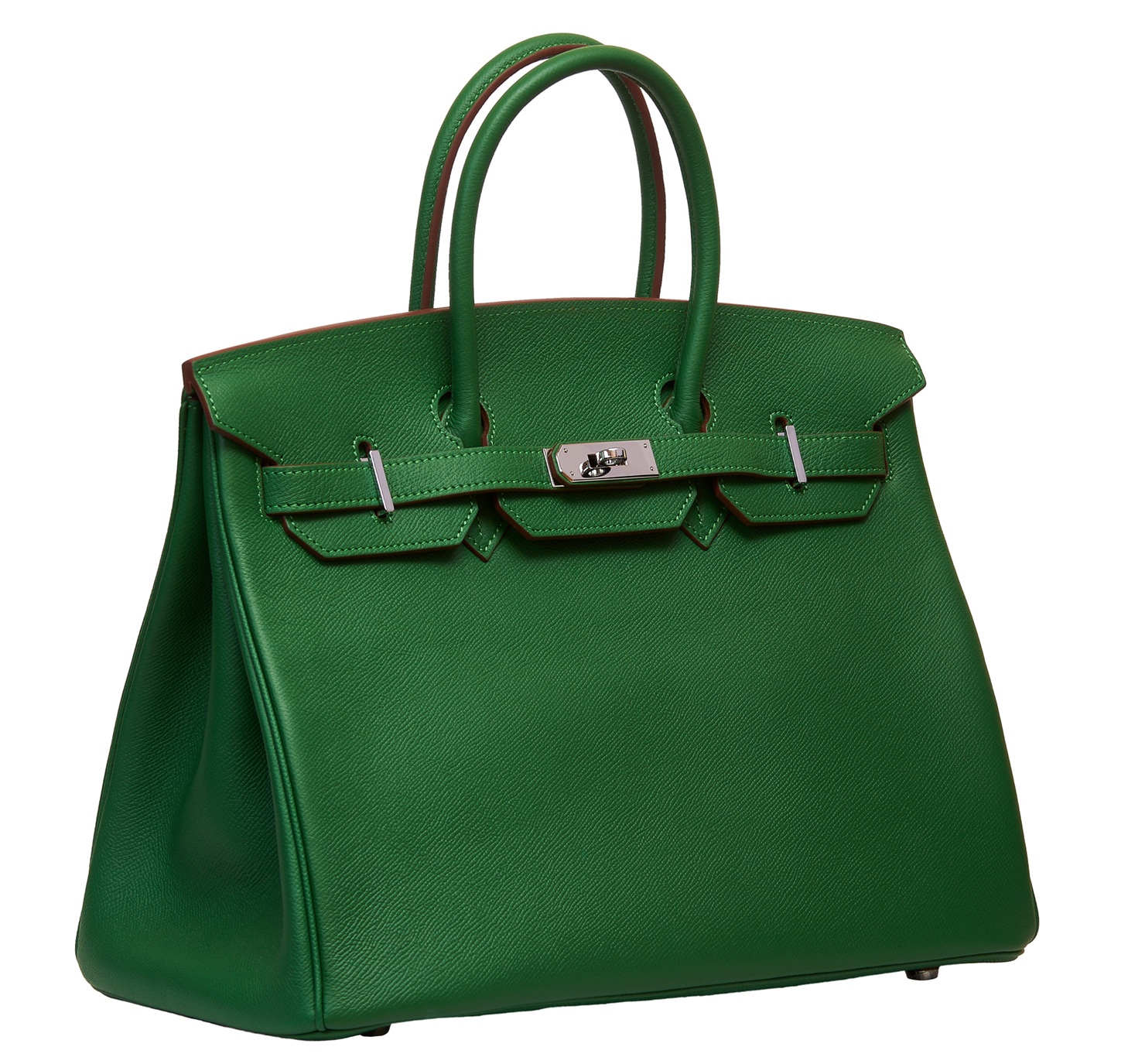
Colour deserves the same consideration. A forest green Kelly or burgundy flap can be as enduring as black when it belongs naturally in someone’s wardrobe. Timeless does not mean colourless. It means the choice continues to make sense after the campaign imagery disappears.
Certain silhouettes endure because their design language remains coherent. The Hermès Birkin, Constance, and Picotin express different ideas of structure and utility. Chanel’s quilted flap bags have made chain straps and a compact profile part of an instantly recognizable vocabulary. Their longevity comes from more than familiarity. Each offers a clear point of view and a function that has survived repeated changes in taste.
The most timeless handbag, however, is not necessarily the most famous. It is the one that slips easily into its owner’s life and continues to feel considered rather than calculated.
Resale Opens the Archive
A boutique presents the current collection. The secondary market offers something closer to an archive.
Authenticated resale has expanded the way shoppers encounter luxury handbags by bringing discontinued colours, earlier constructions, uncommon material combinations, and past-season designs back into view. A shopper may discover that the piece best suited to their wardrobe was released years ago, or that a previous version of a familiar model offers the scale, leather, or hardware they prefer.
That wider field of choice makes expertise essential. Authentication cannot rest on a single photograph, stamp, or stitching detail. Experienced specialists assess construction, materials, hardware, markings, proportions, and provenance together, looking for consistency across the entire piece.
Condition deserves equal scrutiny. Corner wear, softened structure, handle darkening, interior marks, hardware scratches, odour, repairs, and replaced components can all affect how a handbag looks, feels, and performs. A pristine collector piece may command attention, but a lightly worn bag with sound structure can be the more liberating choice for someone who intends to carry it often.
For Canadian shoppers researching authenticated designer resale, specialists such as Rome Station Canada offer one example of how curated new arrivals can be presented with the level of product detail expected in the luxury secondary market.
The most useful listings do more than create desire. They provide clear photography, accurate measurements, leather and hardware information, included accessories, and transparent notes on restoration or wear. That context allows a buyer to move beyond the initial emotional pull and ask a better question: does this particular handbag, in this condition, suit the way I intend to use it?
Luxury Becomes Personal
Luxury has always communicated something, but the message is changing. The most interesting handbag choices now often feel less performative and more autobiographical.
A handbag can mark a promotion, an anniversary, a significant birthday, or simply the point at which someone understands their taste well enough to stop buying by consensus. The object acquires meaning because of the life around it. Recognition may still be part of the pleasure, but it is no longer the whole story.
Collectors often become more selective with experience. Early purchases may be led by brand, visibility, or scarcity. Later decisions tend to focus on subtler distinctions: leather, year, hardware, scale, colour, condition, and how one piece relates to the rest of the collection. Quantity loses some of its appeal. Editing becomes the real expression of confidence.
Before buying, the questions become more intimate and practical. Does the size accommodate what you actually carry? Will the leather develop in a way you enjoy? Does the colour work with the wardrobe you own, rather than the wardrobe you imagine? Are you comfortable with the maintenance the material requires?
Rarity alone cannot answer those questions. A limited piece in an awkward size or delicate finish may be fascinating and still remain untouched in the closet. The stronger choice often balances distinction with ease, giving the owner a sense of discovery without asking them to reorganize life around the bag.
Choosing for the Life You Actually Live
The most useful place to begin is not with the handbag, but with the day around it.
Where will it be carried? How long will it sit on the shoulder or in the hand? Will it travel through crowded commutes, business lunches, school pickups, airports, or evening events? A delicate smooth leather may be appropriate for occasional dinners and frustrating for daily travel. A generous tote may appear practical until its empty weight becomes apparent.
Climate belongs in the conversation too. Rain, snow, road salt, and abrupt temperature changes can complicate the care of pale or untreated leather. A bag intended for regular use in Vancouver may need to tolerate moisture, while one carried through a Toronto winter will face a different set of demands. These details are not glamorous, but they determine how freely a handbag can be enjoyed.
Comfort and access matter just as much as appearance. Handle drop, strap length, closure style, interior organization, and empty weight all shape the carrying experience. A beautiful bag that is awkward to open or uncomfortable after twenty minutes will spend more time at home than its owner expected.
Resale value may be considered, but it should not be mistaken for certainty. Certain Hermès and Chanel models have attracted strong secondary-market demand, yet tastes, supply, condition, and broader economic conditions change. A handbag is not a guaranteed financial return. Personal use, enjoyment, and affordability remain more reliable measures of value.
Budget should feel equally considered. A well-kept bag purchased comfortably will offer more pleasure than a pristine example that creates financial strain. Condition should also correspond to intention. A collector may want an exceptional piece with minimal wear. Someone buying for regular use may prefer a gently carried bag that already feels approachable.
What Remains After the Season
Fashion depends on novelty. New shapes, colours, and ideas keep it expressive, and seasonal desire can be part of the pleasure. Choosing a timeless handbag does not require pretending otherwise.
It does require a longer view.
The pieces that earn a lasting place in a wardrobe tend to share a few qualities: sound construction, materials suited to their purpose, a design that accommodates real life, and a personal reason to keep reaching for them. They may be icons, or they may be less familiar designs discovered through resale. What matters is not how loudly they announced themselves at launch, but how convincingly they continue to belong.
A handbag can hold its relevance through structure, patina, memory, and use. It can become associated with places travelled, work accomplished, celebrations attended, and ordinary days made more polished by its presence.
Luxury does not have to dominate a season to justify its place in a closet. Sometimes its value is quieter: the quality felt in the hand, the confidence of a choice made without urgency, and the ease of carrying something long after everyone else has moved on.